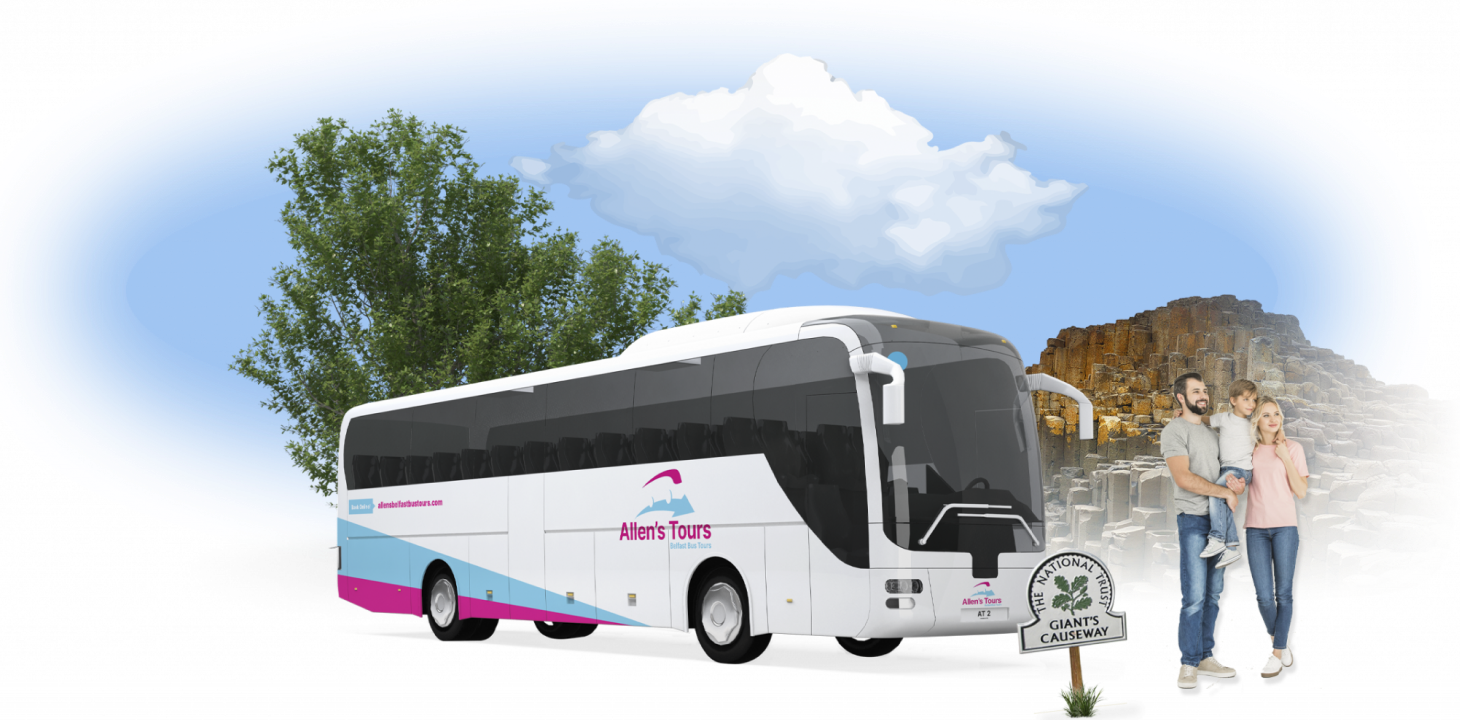
Deciding how to travel from Belfast to the Giant’s Causeway usually comes down to one key choice: complete flexibility or stress-free convenience.
While the inland motorway route is relatively straightforward, the famous Causeway Coastal Route can be challenging for first-time international drivers because of narrow roads, left-side driving, and busy parking areas during peak season.

This local comparison guide breaks down the real costs, travel times, parking situations, and driving realities to help you decide which option suits your trip best.
At a Glance: Which Option Is Best for You?
| Feature | Self-Drive | Guided Tour |
|---|---|---|
| Flexibility | Complete freedom to stop, leave early, or stay late. | Fixed itinerary and timetable. |
| Driving Stress | Narrow roads, parking, and navigation required. | Relax while a local driver handles the route. |
| Best for Solo Travellers | Usually more expensive once parking and fuel are included. | Often the cheaper and easier option. |
| Best for Families & Groups | Can become cost-effective when sharing expenses. | Multiple tour tickets can add up quickly. |
| Local Knowledge | Self-guided using apps and signs. | Live commentary from local guides. |
Guided tours also make it easier to include popular Causeway Coast stops such as the Giant’s Causeway, Dunluce Castle and the Dark Hedges, without having to plan separate driving routes or parking stops.
In general, first-time visitors and solo travellers often prefer guided tours, while families, photographers, and road-trip travellers usually prefer driving themselves.
Distance and Route Options from Belfast
The Giant’s Causeway sits roughly 60 miles (96 km) north of Belfast.
There are two main route options:
- The Inland Route (M2 & A26): Around 1 hour 30 minutes each way using faster dual carriageways.
- The Causeway Coastal Route (A2): Around 2 to 2.5 hours driving time before sightseeing stops are added.
Many self-drive visitors combine both routes by taking the scenic coastal road northbound before returning to Belfast via the quicker inland motorway.
Learn more about the best time of year to drive the Causeway Coastal Route.
The Realities of Driving the Antrim Coast

Road Conditions & Local Driving Tips
The Causeway Coastal Route is one of the most scenic drives in Northern Ireland, but some sections can feel narrow and demanding for overseas visitors.
Roads are often bordered by stone walls, hedges, or cliff edges with limited space for mistakes.
International visitors should remember:
- Traffic drives on the left-hand side in Northern Ireland.
- Manual cars are the default rental option. Automatic vehicles usually need to be booked well in advance and cost more.
- Some coastal roads narrow to single lanes with passing points for buses and oncoming traffic.
Parking Costs and Local Alternatives
The main National Trust Visitor Centre operates a paid Visitor Experience package which includes parking, exhibitions, and audio guides.
Pricing is usually charged per person rather than per vehicle:
- Adult: £16–£18
- Child: £8–£9
- Family: £24–£45
However, access to the Giant’s Causeway stones and coastal paths themselves is legally free.
Visitors looking to avoid the higher National Trust parking fees often use:
- Independent parking areas nearby with lower flat-rate parking.
- The Bushmills shuttle service during busier seasons.
Real Cost Comparison: Self-Drive vs Guided Tour
Many travellers assume driving yourself is automatically cheaper, but that is not always true once fuel, parking, and rental costs are included.
| Expense | Self-Drive | Guided Tour |
|---|---|---|
| Transport | £40–£90 car rental plus insurance. | Usually included in the tour ticket. |
| Fuel | £15–£25 depending on route. | Included. |
| Parking | £10–£18 depending on parking choice. | No parking costs. |
| Extra Stops | Possible additional fees for attractions and parking. | Most standard stops included in itinerary. |
Can You Use Public Transport?
Yes, although the journey is slower and less flexible than driving or joining a tour.
Most visitors:
- Take the train from Belfast Grand Central Station to Coleraine.
- Transfer onto the 172 bus or seasonal Causeway Coaster service.
The full journey usually takes between 2.5 and 3 hours each way.
Public transport works well for visitors focusing only on the Giant’s Causeway itself, but becomes less practical if you also want to visit locations like the Dark Hedges or Ballintoy Harbour in the same day.

Final Verdict: Which Option Should You Choose?
Choose a Guided Tour If:
- You are travelling solo or as a couple.
- You do not want to drive on narrow coastal roads.
- You want a simple itinerary covering multiple attractions in one day.
- You enjoy local stories, history, and guided commentary.
Choose a Self-Drive Trip If:
- You are travelling as a family or group.
- You want full flexibility over your schedule.
- You are interested in photography or sunset visits.
- You are planning overnight stays along the coast.
Explore our guide to guided Giant’s Causeway tours from Belfast.
Frequently Asked Questions
Is it safe to drive from Belfast to the Giant’s Causeway in bad weather?
The inland motorway route is generally straightforward year-round. During heavy rain or coastal storms, the scenic A2 route can become slower and more difficult because of reduced visibility and standing water.
Can you access the Giant’s Causeway for free?

Yes. Access to the coastline, walking paths, and basalt stones is completely free. The paid fees are mainly for the National Trust Visitor Centre and official car park.
How long do guided tours usually spend at the Giant’s Causeway?
Most guided tours allow between 1.5 and 2 hours at the site itself.
Still deciding if the trip is worth it?
Read our honest local guide covering is the Giant’s Causeway worth visiting?
Need more planning advice?
Read our complete Giant’s Causeway travel FAQ .